Leadership Style

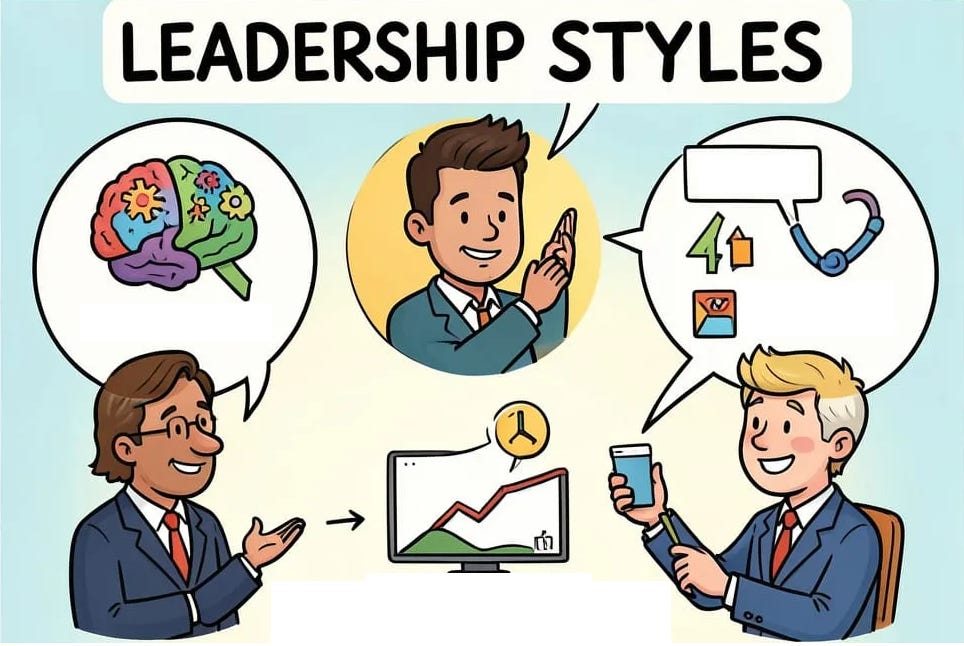
Leadership is not one-size-fits-all. It is a set of styles you can draw on and adapt as your team, context, and goals change. Below is an engaging overview of key leadership styles, followed by practical guidance on how to adapt your own approach and some suggested references you could use for further reading or student work.
Core Leadership Styles
1. Autocratic leadership
Autocratic leaders make decisions themselves and expect others to follow their instructions without debate. This can feel command‑and‑control: the leader sets direction, assigns tasks, and monitors performance closely.
When it works:
Crisis situations where rapid, decisive action is essential.
Very inexperienced or new teams that need clear rules and strong guidance.
Risks and drawbacks:
Low morale and resentment if people feel ignored or disrespected.
Suppressed creativity and weak ownership of decisions.
Over‑dependence on one person.
A useful way to think about autocratic leadership is as a short‑term tool: effective for emergencies or restabilising a chaotic situation, but damaging if used as the default style.
2. Democratic (participative) leadership
Democratic leaders see decision‑making as a shared activity. They invite ideas, listen carefully, and try to build consensus before committing to a course of action.
When it works:
Teams with strong expertise and diverse perspectives.
Complex problems where no single person has all the answers.
Risks and drawbacks:
Decisions can be slow, especially if consultation never ends.
The team may feel directionless if the leader avoids making the final call.
Good democratic leaders balance participation with clear boundaries: they explain what is genuinely up for discussion and what is not, and they know when to stop talking and decide.
3. Transformational leadership
Transformational leaders focus on vision, values and change. They try to inspire people to go beyond their perceived limits, often by connecting everyday tasks to a bigger purpose.
Typical features include:
A compelling vision of the future.
Strong communication and storytelling skills.
Coaching and development of individuals.
Willingness to challenge the status quo.
When it works:
Times of change, innovation or cultural transformation.
Teams that are capable but need fresh energy and meaning.
Risks and drawbacks:
If the vision is vague or unrealistic, enthusiasm quickly fades.
Over‑reliance on charisma can hide weak processes or follow‑through.
Transformational leadership is most powerful when it is anchored in practical action: clear priorities, resources, and measurable progress.
4. Laissez‑faire (delegative) leadership
Laissez‑faire leaders give people significant autonomy. They set broad goals, supply resources, and then step back, trusting the team to decide how work will be done.
When it works:
Highly skilled, self‑motivated teams (e.g. research groups, creative professionals).
Environments where experimentation and innovation are central.
Risks and drawbacks:
Lack of clarity about priorities or standards.
Conflicts or duplication of effort if roles are not clearly agreed.
Some team members feeling abandoned or unsupported.
Effective laissez‑faire leadership is not “doing nothing”; it requires clear expectations, regular check‑ins, and readiness to step in if the team drifts.
5. Servant leadership
Servant leaders start from the question: “What does my team need from me to succeed?” They emphasise service, empathy and support rather than power or status.
Key behaviours include:
Active listening and genuine concern for people’s well‑being.
Removing obstacles and securing resources for the team.
Leading by example and modelling the values they expect from others.
When it works:
Environments where trust, psychological safety and collaboration are vital.
Teams that value mentoring, inclusion and long‑term development.
Risks and drawbacks:
The leader may avoid difficult decisions or tough conversations.
Others may question their authority if they are perceived as “too soft”.
Strong servant leaders combine care with clear boundaries and accountability: they support people and still hold them to high standards.
6. Situational leadership
Situational leadership is less a fixed style and more a framework for choosing the right style. The central idea is that effective leaders adjust their level of direction and support to match:
The task (simple vs complex, routine vs novel).
The person or team (experience, confidence, motivation).
The wider context (urgency, risk, culture).
For example:
A new team member on a critical task might need a more directive, hands‑on approach.
A seasoned expert working on a creative project might thrive with high autonomy and coaching, not instructions.
Situational leaders are constantly scanning: “What does this situation require now?” and are willing to shift style rather than defaulting to one pattern.
Adapting Your Leadership Style
Improving as a leader is an ongoing, reflective process. You are not choosing a single “correct” style; you are building a flexible repertoire.
1. Self‑reflection and honest feedback
Start by examining how you currently lead.
Ask yourself:
When do I tend to take control?
When do I invite input?
How do people usually respond to me?
Seek feedback from colleagues or use 360‑degree assessments if available.
Look for patterns: do people experience you as supportive but vague, decisive but unapproachable, inspiring but inconsistent?
2. Identify the case for change
Be specific about why you want to adapt your style:
Has your team grown or become more diverse?
Are you facing new kinds of work (e.g. more innovation, more crisis management)?
Have you received clear feedback about over‑controlling, under‑involved, or unclear leadership?
Defining the need makes it easier to choose which styles to develop (e.g. become more participative, more directive, more coaching).
3. Learn from other styles and leaders
Deepen your understanding of alternative approaches:
Read about different leadership theories and case studies.
Observe leaders you respect: what do they do in meetings, in crises, in one‑to‑ones?
Notice how their style shifts depending on context.
Aim to translate ideas into specific behaviours you can try: asking one more open question before giving your view, delegating full ownership of a project, or articulating a clearer vision in team meetings.
4. Experiment in small, deliberate steps
Rather than trying to transform your style overnight, run small experiments:
In one meeting, consciously hold back your opinion until others have spoken.
With a competent team member, delegate a decision and agree how you will review the outcome.
In a period of change, spend extra time explaining the “why”, not just the “what”.
Tell your team you are trying some new approaches and invite their views. This builds trust and gives you better feedback on what is working.
5. Evaluate, adjust, and keep learning
After trying new behaviours, ask:
Did performance improve?
How did morale, engagement or initiative change?
What felt authentic, and what felt forced?
Keep what works, refine what partly works, and drop what doesn’t. Leadership development is iterative, not linear; even experienced leaders continue to fine‑tune their style as teams and contexts evolve.
Selected References on Leadership Styles
Below is a compact list of widely cited, accessible references you can use for deeper study, teaching, or student reading:
Bass, B. M. & Riggio, R. E. (2006). Transformational Leadership (2nd ed.). Mahwah, NJ: Lawrence Erlbaum.
Goleman, D. (2000). “Leadership That Gets Results.” Harvard Business Review, 78(2), 78–90.
Hersey, P., Blanchard, K. H. & Johnson, D. E. (2012). Management of Organizational Behavior: Leading Human Resources (10th ed.). Harlow: Pearson.
House, R. J. et al. (2004). Culture, Leadership, and Organizations: The GLOBE Study of 62 Societies. Thousand Oaks, CA: Sage.
Northouse, P. G. (2021). Leadership: Theory and Practice (9th ed.). Thousand Oaks, CA: Sage.
Spears, L. C. (1998). Insights on Leadership: Service, Stewardship, Spirit, and Servant-Leadership. New York: Wiley.
Yukl, G. (2013). Leadership in Organizations (8th ed.). Harlow: Pearson.
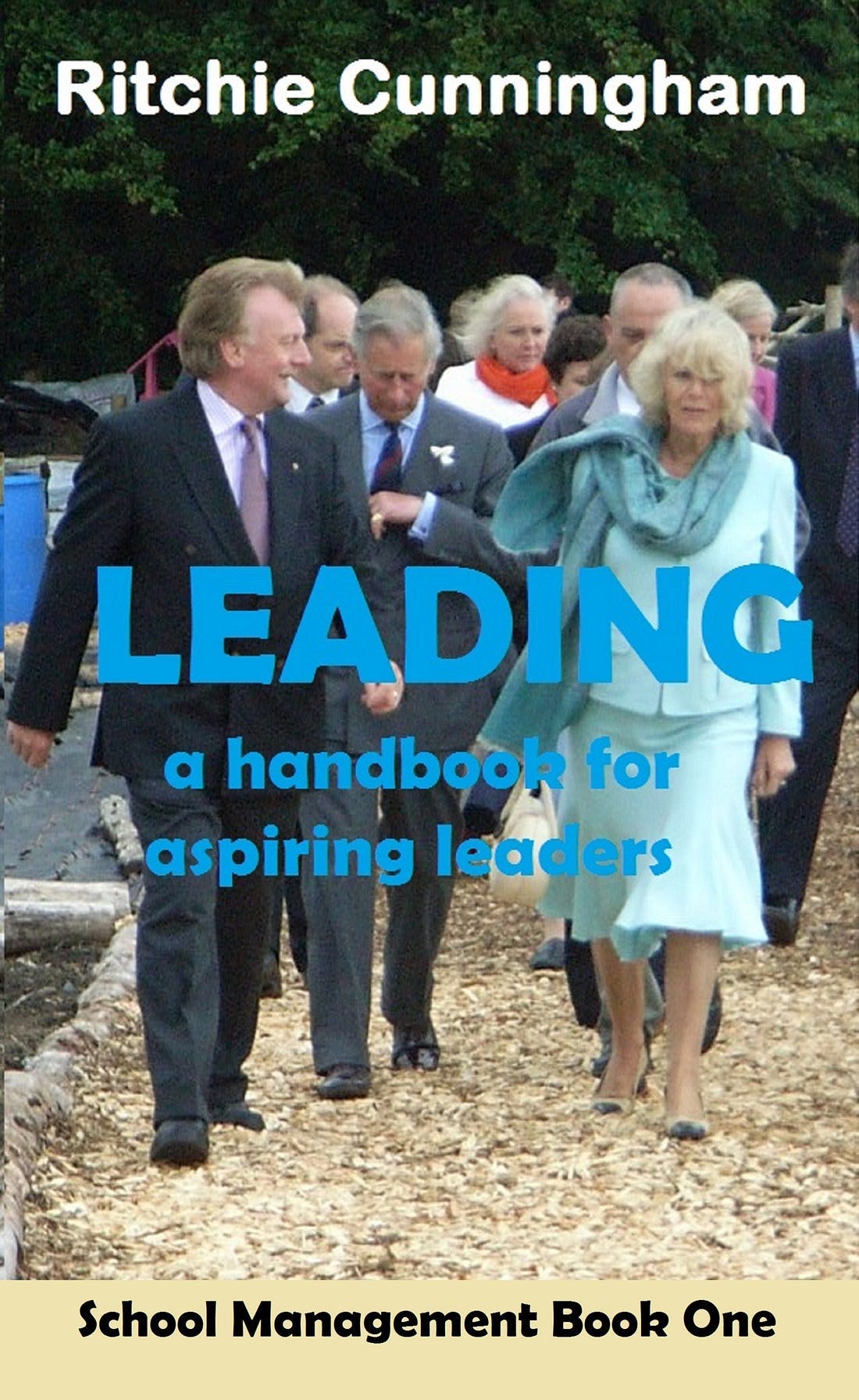
Leadership Books on Amazon
Leading - A handbook for aspiring leaders
Podcast
If you would like to support my resources scan the QR code below and Buy me a Coffee.